

Automatic Vacuum Cleaners
Add a review FollowOverview
-
Founded Date December 19, 1976
-
Sectors Accounting / Finance
-
Posted Jobs 0
-
Viewed 53
Company Description
What’s The Current Job Market For Best Automatic Vacuum Cleaner Professionals Like?
The Best Automatic Vacuum Cleaner: A Guide to Effortless Home Cleaning
In today’s fast-paced world, preserving a clean and comfy home can typically feel like a complicated task. Amidst work, family, and social dedications, investing precious hours vacuuming floorings may be the last thing on anyone’s mind. This is where the automatic vacuum, more frequently known as a robot vacuum, actions in as a revolutionary family home appliance. These smart devices are developed to autonomously navigate your home, vigilantly cleaning floors with very little human intervention. When considered a luxury, robot vacuums are increasingly becoming a staple in contemporary households, providing a practical option to keep homes consistently clean without requiring your valuable energy and time.
The market for automatic vacuum has blown up in current years, providing customers with a large array of options, each boasting various features, innovations, and cost points. Browsing this landscape to find the best robot vacuum cleaner automatic vacuum for your specific requirements can be overwhelming. This article aims to cut through the sound and provide a thorough guide to comprehending robot vacuums, outlining key functions to consider, highlighting some of the leading designs currently readily available, and eventually assisting you make an informed decision to bring effortless cleaning into your home.
What to Look for in an Automatic Vacuum Cleaner: Key Features and Considerations
Selecting the ideal automatic vacuum involves considering several aspects to guarantee it effectively satisfies your cleaning requirements and incorporates seamlessly into your lifestyle. Here are some important aspects to evaluate before buying:
-
Navigation System: A robot vacuum’s navigation system is its brain, determining how efficiently and efficiently it cleans your floorings. Different kinds of navigation exist:
- Random/Bounce Navigation: Older and frequently affordable designs use this system. They move arbitrarily, bouncing off challenges until the battery is low. While they ultimately cover the area, their cleaning patterns are less effective and can miss out on spots.
- Systematic Navigation (Row-by-Row): These vacuums clean in straight lines, systematically covering an area. They are more effective than random navigation and offer better coverage.
- LiDAR (Light Detection and Ranging) Navigation: Utilizing lasers, LiDAR produces in-depth maps of your home. This permits extremely efficient and organized cleaning, smart course planning, and functions like room-specific cleaning and virtual limits.
- Camera-Based SLAM (Simultaneous Localization and Mapping) Navigation: These vacuums use cameras to aesthetically map their surroundings. They use comparable smart functions to LiDAR, however their efficiency can be affected by lighting conditions.
-
Suction Power: The strength of a robot vacuum’s suction determines its capability to get dirt, dust, debris, and pet hair from different floor types. Greater suction power is typically much better, especially for carpets and homes with animals. Look for requirements like Pascal (Pa) rating to compare suction levels between designs.
-
Battery Life and Coverage Area: Battery life determines the length of time a robot vacuum can run on a single charge. Think about the size of your home and select a model with sufficient battery life to cover your cleaning area. Some advanced designs include automatic charging and resume, returning to the charging dock when low and after that resuming cleaning where they ended.
-
Features and Functionality: Beyond basic vacuuming, numerous robot vacuums offer additional features that improve their benefit and cleaning abilities:
- Mopping Functionality: Some hybrid models combine vacuuming and mopping, offering a 2-in-1 cleaning option. These might include separate water tanks and mopping pads.
- Self-Emptying Dustbins: Premium designs include self-emptying bases. The robot vacuum automatically clears its dustbin into a larger bin in the base, reducing the frequency of manual emptying.
- App Control and Smart Home Integration: Wi-Fi connection makes it possible for control via smartphone apps. Functions might include scheduling cleanings, adjusting suction levels, viewing cleaning maps, setting virtual boundaries, and integrating with voice assistants like Alexa or Google Assistant.
- Floor Type Detection: Smart vacuums can find different floor types (hardwood, carpet, carpets) and change suction power automatically for optimum cleaning.
- Barrier Avoidance and Object Recognition: Advanced sensors and AI algorithms help robot vacuums browse around furnishings, pet bowls, and even identify and avoid smaller objects like shoes or cables, preventing them from getting stuck or dragging items around.
-
Upkeep and Durability: Consider the ease of upkeep, such as clearing the dustbin, cleaning brushes, and changing filters. Search for designs with easily accessible parts and readily available replacement parts. Read evaluations relating to the vacuum’s resilience and reliability.
-
Cost and Value: Robot vacuums vary in price from economical to premium. Identify your budget and balance functions and efficiency with expense. Consider the long-lasting worth of a which robot vacuum cleaner vacuum in regards to time saved and benefit.
Leading Automatic Vacuum Cleaners: Leading Models in the Market
With a multitude of choices offered, determining the truly “best” automatic vacuum is subjective and depends on private requirements and priorities. However, several models consistently rank high in reviews and provide remarkable performance and features. Here are a few significant examples:
-
iRobot Roomba j7+: Renowned for its smart navigation and item acknowledgment, the Roomba j7+ is a leading competitor. Its PrecisionVision Navigation recognizes obstacles and learns to avoid them, reducing disturbances. The “+” represents the Clean Base automatic dirt disposal, making maintenance much more hands-off. It’s app-controlled, integrates with smart homes, and uses excellent cleaning performance, especially for pet hair.
- Pros: Exceptional obstacle avoidance, best robotic vacuum cleaner hoover (gitlab.superbread.Uk) self-emptying base, smart mapping and features, strong cleaning efficiency.
- Cons: Higher cost point, dust bags for the Clean Base need changing.
- Best for: Homes with pets and mess, users prioritizing smart features and convenience.
-
Eufy RoboVac X8 Hybrid: Offering a balance of efficiency and value, the Eufy RoboVac X8 Hybrid delivers strong suction with its twin-turbine system. It includes iPath Laser Navigation for effective mapping and navigation, and consists of a mopping function for hard floors. App control, virtual boundaries, and zone cleaning add to its versatility.
- Pros: Powerful suction, LiDAR navigation at a competitive price, mopping feature, app control.
- Cons: Dustbin needs manual emptying, mopping is basic compared to dedicated mopping robotics.
- Best for: Users seeking powerful cleaning and smart navigation without the premium cost tag, those with mixed floor types.
-
Shark IQ Robot Self-Empty XL R101AE: The Shark IQ Robot line provides strong efficiency at a more available cost point, particularly the Self-Empty XL design. It includes row-by-row cleaning, self-emptying base, and app control with scheduling and zone cleaning. It browses effectively and offers strong suction for everyday cleaning.
- Pros: Self-emptying dustbin, excellent cleaning efficiency for the cost, row-by-row navigation, app control.
- Cons: Navigation not as advanced as LiDAR or camera-based systems, can have a hard time with intricate designs.
- Best for: Users searching for a self-emptying robot vacuum at a mid-range cost, reliable for general home cleaning.
-
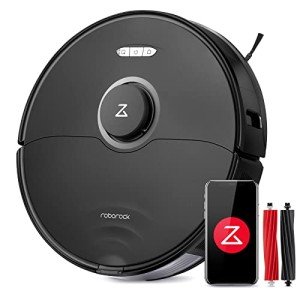
Roborock S7 MaxV Ultra: Representing the high-end of robot vacuum innovation, the Roborock S7 MaxV Ultra is a powerhouse of cleaning and automation. It boasts LiDAR navigation, reactive challenge avoidance, powerful suction, and a comprehensive docking station that not just self-empties but also washes and dries the mop pad and refills the water tank.
- Pros: Ultimate automation with self-emptying, mop washing, and water refilling, advanced obstacle avoidance, LiDAR navigation, effective suction, sonic mopping.
- Cons: Very high rate, complex setup may be frightening for some users.
- Best for: Tech lovers and users looking for the most automated and feature-rich cleaning experience, those with big homes and requiring cleaning needs.
Keep in mind: This is not an extensive list, and brand-new models are constantly being launched. It is constantly advised to research existing evaluations and compare specs based upon your specific needs and budget.
Benefits of Using an Automatic Vacuum Cleaner
Buying an automatic vacuum cleaner offers numerous benefits that extend beyond merely having cleaner floorings. Here are some essential advantages:
- Time Savings and Convenience: The most significant benefit is unquestionably the time and effort conserved. Robot vacuums automate a laborious task, maximizing your time for more enjoyable activities.
- Consistent Cleaning Schedules: You can schedule your robot vacuum to clean up while you are at work or asleep, ensuring regularly tidy floorings without any mindful effort.
- Improved Air Quality: Many robot vacuums are geared up with HEPA filters that trap allergens, allergen, and pet dander, adding to better indoor air quality, specifically beneficial for allergy patients.
- Ease of access for Elderly and People with Mobility Issues: Robot vacuums make floor cleaning easier for people who might have difficulty with traditional vacuums due to age or mobility restrictions.
- Smart Home Integration and Automation: Modern robot vacuums effortlessly integrate with smart home ecosystems, enabling for voice control and customized cleaning routines, further improving home automation.
Tips for Maximizing Your Robot Vacuum’s Performance
To guarantee your automatic vacuum operates efficiently and lasts longer, follow these simple suggestions:
- Regular Maintenance: Empty the dustbin frequently, tidy brushes and rollers of hair and debris, and replace filters as recommended by the manufacturer to maintain optimal suction and performance.
- Prepare the Floor: Before each cleaning cycle, remove mess like cords, small toys, and loose products that might block the robot vacuum or get tangled in its brushes.
- Make Use Of Virtual Boundaries and No-Go Zones: Use virtual limits or physical limit strips (if supported) to avoid the robot vacuum from entering areas you don’t desire cleaned or getting stuck in bothersome areas.
- Experiment with Scheduling: Optimize your cleaning schedule based on your lifestyle and home traffic patterns. Think about scheduling cleansings when you run out the house to minimize disturbance.
- Keep Software Updated: For smart robot vacuums, guarantee you keep the firmware and app updated to take advantage of the newest features, improvements, and bug repairs.
Frequently Asked Questions (FAQs) about Automatic Vacuum Cleaners
- How typically should I run my robot vacuum? For optimum tidiness, running your robot vacuum daily or every other day is recommended, especially in families with family pets or high foot traffic.
- Can robot vacuums deal with pet hair? Yes, numerous robot vacuums are specifically developed for pet hair with features like tangle-free brushes and strong suction. Designs specifically marketed for pet owners typically perform best.
- Do robot vacuums deal with carpets? Yes, many robot vacuums deal with carpets and tough floors. The effectiveness on carpets can differ depending on the suction power and brush type. Higher-end models with stronger suction and specialized brushes perform better on carpets.
- How long do robot vacuums last? The lifespan of a robot vacuum can vary depending on the brand, design, use, and upkeep. Usually, you can anticipate a well-kept robot auto vacuum to last for 3-5 years, or perhaps longer.
- Are robot vacuums worth the cash? For lots of people, the benefit, time savings, and consistent cleaning provided by robot vacuums make them a worthwhile investment. Consider your way of life, cleaning needs, and budget to determine if a robot vacuum is the best choice for you.
Automatic vacuum cleaners have transformed the landscape of home cleaning, offering a practical and efficient option for maintaining tidy floors with very little effort. By comprehending the crucial features, exploring offered designs, and considering your specific needs, you can select the best automatic vacuum cleaner (http://opp-hr.com/bbs/Board.php?bo_table=free&wr_id=57742) to seamlessly incorporate into your home and enjoy the advantages of uncomplicated cleanliness. As technology continues to advance, robot vacuums are only ending up being smarter, more capable, and more necessary in the contemporary home, releasing up your time and enhancing your living environment.